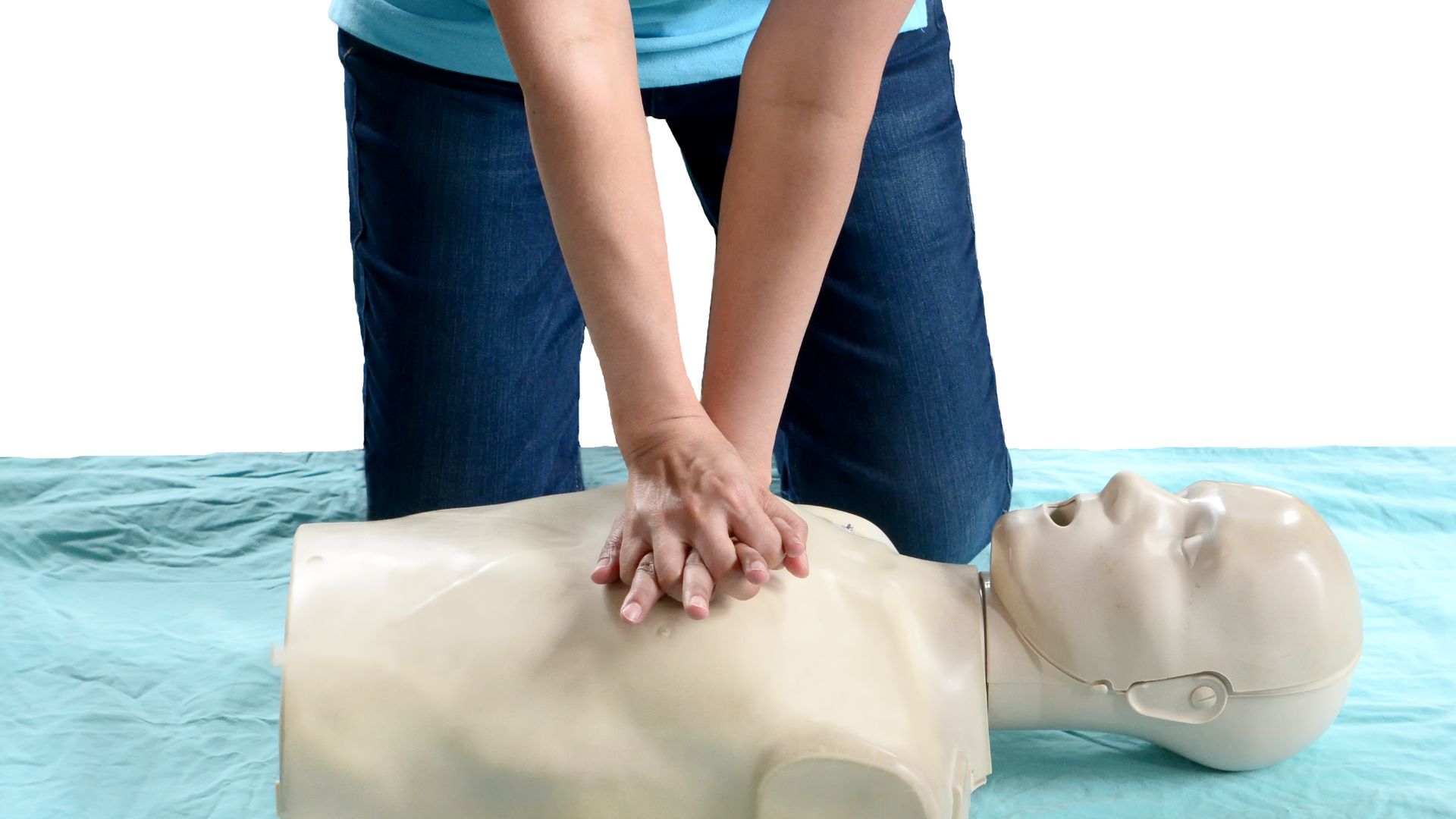
Creating a safe workplace goes far beyond preventing slips, trips, and falls. Modern employers understand that true workplace safety also includes preparing employees to respond during medical emergencies. Sudden cardiac arrest, choking incidents, severe allergic reactions, and other life-threatening situations can happen without warning, regardless of the industry or work environment. When these emergencies occur, the actions taken during the first few minutes often determine the outcome.
Salt Lake City’s growing economy includes businesses ranging from technology companies and manufacturing facilities to healthcare offices, construction sites, schools, and retail establishments. Across all industries, employers are recognizing the value of CPR training as an essential part of their overall safety programs. Through CPR Certification, businesses can equip employees with the hands-on skills and confidence needed to respond quickly when every second counts.
Investing in CPR training is not simply about meeting workplace standards. It is about protecting employees, customers, and the entire community.
Medical Emergencies Can Happen in Any Workplace
Many people associate CPR with hospitals or emergency responders, but cardiac emergencies occur in workplaces every day.
Common workplace medical emergencies include:
- Sudden cardiac arrest
- Heart attacks
- Choking incidents
- Allergic reactions
- Seizures
- Heat-related illnesses
- Electrical accidents
- Falls resulting in unconsciousness
These emergencies can happen in offices, warehouses, construction sites, restaurants, schools, and virtually any other work environment.
Because emergency medical services require time to arrive, trained coworkers often become the first responders.
Sudden Cardiac Arrest Requires Immediate Action
Sudden cardiac arrest occurs when the heart unexpectedly stops pumping blood effectively.
Without immediate intervention:
- The victim loses consciousness.
- Normal breathing stops.
- Brain damage can begin within minutes.
- Survival chances decrease rapidly.
CPR helps maintain blood circulation and oxygen delivery until advanced medical care becomes available.
The American Heart Association continues to emphasize that immediate bystander CPR significantly improves survival outcomes following cardiac arrest. American Heart Association
Workplace CPR training ensures employees know how to recognize these emergencies and begin life-saving care immediately.
CPR Training Helps Protect Employees
Employees spend a significant portion of their lives at work.
Whether working in an office or on a job site, medical emergencies can affect anyone regardless of age or overall health.
CPR-trained employees can provide immediate assistance to:
- Coworkers
- Supervisors
- Customers
- Vendors
- Visitors
Knowing that trained individuals are nearby helps create a safer and more secure workplace environment.
Many employees also appreciate working for organizations that invest in their safety and well-being.
Salt Lake City’s Growing Workforce Benefits From Emergency Preparedness
Salt Lake City continues to experience growth across multiple industries.
Major sectors include:
- Technology
- Construction
- Healthcare
- Manufacturing
- Education
- Hospitality
- Retail
- Financial services
As workplaces become larger and busier, the likelihood of encountering a medical emergency naturally increases.
Employers who prioritize CPR training help strengthen overall workplace preparedness and create safer environments for everyone.
AED Training Complements CPR Education
Automated External Defibrillators are becoming increasingly common in workplaces throughout Salt Lake City.
Many businesses now have AEDs located in:
- Office buildings
- Manufacturing facilities
- Schools
- Fitness centers
- Shopping centers
- Hotels
CPR training often includes instruction on:
- Turning on the AED
- Applying electrode pads
- Following voice prompts
- Coordinating CPR with defibrillation
Quick CPR combined with early AED use offers one of the best chances of survival during sudden cardiac arrest.
Construction and Industrial Workplaces Face Unique Risks
Salt Lake City’s construction and industrial sectors involve physically demanding work environments where emergencies can occur unexpectedly.
Potential incidents include:
- Falls
- Electrical injuries
- Heat exhaustion
- Heavy equipment accidents
- Cardiac events
- Traumatic injuries
While CPR cannot treat every injury, trained employees can assess victims, provide life-saving care when necessary, and support emergency response efforts until paramedics arrive.
Office Workers Are Not Immune to Medical Emergencies
Many people mistakenly believe that office environments are low risk.
However, office workers may experience:
- Cardiac arrest
- Choking during meals
- Allergic reactions
- Stroke symptoms
- Seizures
Sedentary work, stress, and underlying health conditions can all contribute to unexpected medical events.
CPR training ensures that office staff are prepared to respond rather than simply waiting for emergency responders.
Workplace CPR Training Builds Employee Confidence
One of the biggest reasons people hesitate during emergencies is fear.
Many individuals worry they might:
- Make a mistake
- Hurt the victim
- Forget the proper steps
- Make the situation worse
Hands-on training through CPR Certification helps employees build confidence by practicing:
- Chest compressions
- Rescue breathing
- AED operation
- Choking response
- Emergency scene assessment
Practical experience helps reduce hesitation and encourages faster action during real emergencies.
Teamwork Improves Emergency Response
Workplace emergencies often require multiple people working together.
CPR training teaches employees how to:
- Communicate effectively
- Assign responsibilities
- Rotate compressions
- Coordinate AED use
- Support arriving EMS personnel
Strong teamwork can improve the efficiency of emergency response and help create better outcomes for victims.
CPR Training Demonstrates a Commitment to Safety
Employees notice when employers prioritize their well-being.
Offering CPR training demonstrates that an organization values:
- Employee safety
- Workplace preparedness
- Community responsibility
- Professional development
Companies that invest in safety programs often foster stronger workplace cultures and improve employee morale.
A commitment to preparedness also helps reassure customers and visitors that safety is taken seriously.
Schools and Childcare Facilities Benefit From CPR Education
Many Salt Lake City employers work directly with children and families.
Teachers, childcare workers, and school staff may encounter emergencies involving:
- Choking
- Allergic reactions
- Asthma attacks
- Cardiac events
- Playground injuries
CPR-trained staff help create safer learning environments and provide parents with additional peace of mind.
Hospitality and Retail Businesses Serve Large Crowds
Restaurants, hotels, entertainment venues, and retail stores often welcome hundreds or thousands of visitors every day.
Public-facing businesses may encounter medical emergencies involving:
- Customers
- Employees
- Vendors
- Delivery personnel
Having CPR-trained staff available can help provide immediate care while emergency responders are on the way.
CPR Skills Extend Beyond the Workplace
Employees who complete CPR training often use those skills outside of work as well.
Emergencies can happen at:
- Home
- Sporting events
- Community gatherings
- Restaurants
- Shopping centers
- Family celebrations
The knowledge gained through workplace CPR programs helps strengthen the entire Salt Lake City community by increasing the number of trained responders.
Hands-On Training Makes a Difference
Watching videos or reading instructions can introduce CPR concepts, but practical experience helps employees feel truly prepared.
Hands-on classes allow participants to:
- Practice chest compressions
- Perform rescue breaths
- Use an AED
- Work through emergency scenarios
- Receive instructor feedback
Programs through CPR Certification provide practical training that helps employees build confidence and muscle memory for real-world situations.
CPR Training Can Support Business Continuity
When emergencies occur, prepared employees can help stabilize situations quickly and assist emergency responders.
Organizations with CPR-trained staff often experience:
- Faster emergency response
- Better workplace preparedness
- Improved employee confidence
- Stronger safety culture
Investing in CPR education is one way employers can strengthen their overall emergency action plans.
Final Thoughts About Workplace CPR Training in Salt Lake City
No workplace is completely immune from medical emergencies. Whether in an office, construction site, school, retail store, or manufacturing facility, sudden cardiac arrest and other life-threatening situations can happen without warning.
Through CPR Certification, Salt Lake City employers can equip their teams with the practical skills and confidence needed to respond quickly during emergencies. CPR training not only helps protect employees and customers but also strengthens workplace safety programs and builds a culture of preparedness.
A few hours of hands-on training can prepare someone to save a coworker’s life, assist a customer in need, or help a complete stranger when every second matters.
Frequently Asked Questions About Workplace CPR Training in Salt Lake City
Why should employers provide CPR training?
CPR training helps employees respond quickly during medical emergencies and improves overall workplace safety.
What workplace emergencies may require CPR?
Sudden cardiac arrest, choking incidents, severe allergic reactions, electrical accidents, and certain traumatic injuries may require CPR.
Is CPR training only important for healthcare businesses?
No. Medical emergencies can occur in any workplace, including offices, schools, retail stores, construction sites, and restaurants.
Does CPR training include AED instruction?
Yes. Most comprehensive CPR courses include hands-on AED training and emergency response procedures.
Can CPR training improve employee confidence?
Absolutely. Hands-on practice helps employees feel more prepared to respond during stressful situations.
How often should workplace CPR certification be renewed?
Most CPR certifications remain valid for two years before renewal is recommended or required.
Which industries benefit most from workplace CPR training?
Healthcare, education, construction, hospitality, manufacturing, retail, and office environments can all benefit from CPR-trained employees.
Can employees use CPR skills outside of work?
Yes. CPR training prepares individuals to respond to emergencies involving family members, friends, neighbors, and strangers in the community.