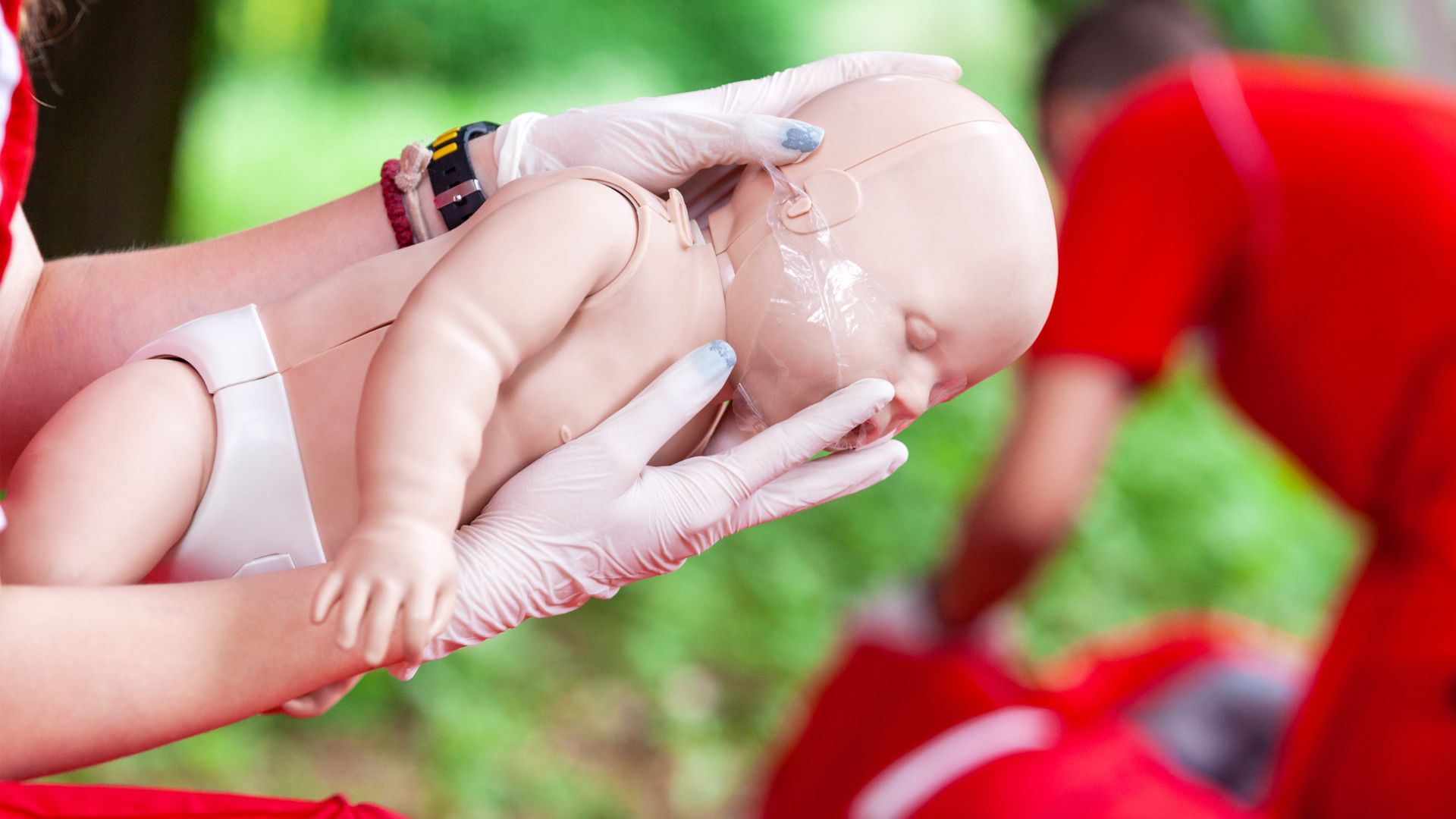
Becoming a new parent brings joy, excitement, and a deep sense of responsibility. One of the most important ways to protect your child is by being prepared for emergencies, even the ones you hope never happen. Infant CPR training is not just a recommendation. It is a critical life-saving skill that every parent in Salt Lake City should have.
Emergencies involving infants can happen suddenly, often at home, and in those first few moments, you are the one who must act. Enrolling in an in-person CPR Certification course gives you the hands-on experience and confidence needed to respond immediately and effectively.
Why Infant Emergencies Require Immediate Action
Infants are uniquely vulnerable. Their bodies are still developing, and they are more likely to experience emergencies related to breathing rather than sudden cardiac issues. In fact, research shows that respiratory problems are the leading cause of cardiac arrest in infants and young children.
This means that many emergencies begin with something that may seem manageable, such as difficulty breathing, but can quickly escalate into a life-threatening situation.
Without immediate action:
- Oxygen flow to the brain is reduced
- Brain damage can begin within minutes
- Survival chances decrease rapidly
CPR helps bridge that gap until emergency responders arrive.
The Reality: Most Emergencies Happen at Home
Many parents assume serious emergencies are more likely to happen in hospitals or public places. In reality, the majority occur at home.
According to the American Heart Association, nearly three out of four cardiac arrests happen at home, and most require immediate help from someone nearby.
For new parents in Salt Lake City, this means you are not just a caregiver. You are the first responder.
Infant Survival Rates and the Importance of CPR
Infant cardiac arrest is rare, but when it happens, outcomes are often severe without intervention.
- Survival rates for out-of-hospital cardiac arrest in infants can be extremely low, sometimes under 10%
- Bystander CPR significantly improves survival and neurological outcomes
These numbers highlight a critical truth. Immediate CPR is often the difference between life and death.
Why Infant CPR Is Different From Adult CPR
One of the biggest reasons parents need proper training is that infant CPR is not the same as adult CPR.
Infant techniques require:
- Gentler compressions using two fingers
- More emphasis on breathing support
- Proper airway positioning
Using adult techniques on an infant can be ineffective or even harmful. That is why hands-on training is essential to learn the correct approach.
Confidence Is What Drives Action
One of the biggest barriers in emergencies is hesitation. Many parents want to help but feel unsure about what to do.
Studies show that CPR training significantly improves:
- Confidence in responding to emergencies
- Willingness to take action
- Ability to stay calm under pressure
This confidence can make a life-saving difference in those critical first moments.
How In-Person Training Prepares You for Real Emergencies
While online resources can provide helpful information, they cannot replace hands-on experience.
In-person CPR training allows you to:
- Practice infant CPR techniques on mannequins
- Receive real-time feedback from instructors
- Build muscle memory through repetition
This type of training prepares you to act quickly without second-guessing yourself.
Choosing an in-person CPR Certification course ensures you are not just learning CPR. You are preparing to use it.
The Emotional Benefit of Being Prepared
For many new parents, the idea of an emergency can be overwhelming. But training has been shown to reduce anxiety and increase comfort levels.
Research indicates that CPR training can:
- Reduce stress and fear related to emergencies
- Improve confidence in caregiving situations
- Provide reassurance for families
Knowing what to do allows you to focus on your child with greater peace of mind.
Common Situations Where Infant CPR May Be Needed
Infant CPR is not limited to extreme or rare situations. It can be needed in a variety of everyday scenarios.
These include:
- Breathing difficulties due to illness
- Accidental suffocation or airway blockage
- Severe allergic reactions
Understanding these risks helps parents stay alert and prepared.
Why Timing Is Everything
During any emergency involving breathing or cardiac arrest, the first few minutes are the most critical.
Without oxygen:
- Brain damage can begin in as little as 4 to 6 minutes
- Survival chances drop significantly
- Outcomes worsen with delay
CPR provides vital support during this window, keeping oxygen flowing until help arrives.
Why Many Parents Are Not Prepared
Despite the importance of CPR training, many parents have never taken a class.
Studies show that:
- A large percentage of parents lack formal CPR training
- Many are unsure of correct techniques
- Confidence levels are often low without hands-on experience
This gap in preparedness can have serious consequences during emergencies.
Why Salt Lake City Parents Should Take This Seriously
Salt Lake City is a growing, family-oriented community with many young families. From suburban homes to busy neighborhoods, infant emergencies can happen anywhere.
Local factors such as:
- Active lifestyles
- Multi-caregiver households
- Busy daily routines
Increase the importance of being prepared.
Having CPR-trained parents and caregivers in the community improves overall safety for everyone.
Who Should Learn Infant CPR
While parents are the primary focus, infant CPR training is valuable for anyone who spends time with a baby.
This includes:
- Grandparents
- Babysitters
- Family members
The more people who are trained, the safer your child will be in any environment.
The Difference Between Knowing and Doing
One of the biggest misconceptions about CPR is that watching a video is enough. In reality, CPR is a physical skill that must be practiced.
Hands-on training ensures:
- Proper technique and timing
- Confidence in real situations
- Ability to act under pressure
Without practice, even knowledgeable individuals may hesitate or perform CPR incorrectly.
Building a Safer Environment for Your Baby
Infant CPR training is just one part of a broader safety plan. Parents can also take steps to reduce risks at home.
This includes:
- Following safe sleep practices
- Monitoring feeding and playtime
- Being aware of potential hazards
Preparation and awareness work together to protect your child.
The Long-Term Value of CPR Training
CPR training is not just useful for infancy. It is a skill that stays with you and can be used throughout your life.
Whether you are:
- At home
- In public
- Around other children
The ability to respond to an emergency is always valuable.
Final Thoughts on Infant CPR Training in Salt Lake City
Infant CPR training is one of the most important steps you can take as a new parent. It prepares you for situations you hope never happen but need to be ready for.
The reality is simple. Emergencies happen without warning, and in those moments, you are your child’s first responder.
By enrolling in an in-person CPR Certification course, you gain the hands-on experience, confidence, and preparation needed to act quickly and effectively. In Salt Lake City, that training could make the difference between panic and saving a life.
Frequently Asked Questions About Infant CPR
When should I use infant CPR?
You should use infant CPR when a baby is unresponsive and not breathing or only gasping.
Is infant CPR different from adult CPR?
Yes, it requires different techniques, including gentler compressions and more focus on breathing.
Can I learn infant CPR online?
Online courses provide basic knowledge, but in-person training is needed for hands-on practice.
How long does CPR certification last?
CPR certification typically lasts two years before renewal is required.
Who should learn infant CPR?
Parents, caregivers, and anyone who spends time with infants should be trained.
Why is infant CPR so important?
It provides immediate life-saving support during emergencies and significantly improves survival outcomes.