Babysitters and nannies play an important role in caring for children and ensuring their safety while parents are away. Families trust these caregivers to handle daily routines, provide supervision, and respond calmly during unexpected situations. One of the most valuable qualifications a babysitter or nanny can have is CPR Certification. This training prepares caregivers to respond immediately during medical emergencies and provide lifesaving assistance until professional help arrives.
Children are naturally active and curious, which sometimes leads to accidents or health emergencies. Whether a child is choking, experiencing breathing difficulties, or suffering a sudden medical event, a trained caregiver can make a critical difference in those first few moments. For families in communities like Lakeland, FL, knowing their babysitter or nanny is trained in CPR provides reassurance that their children are in capable hands.
CPR certification not only improves emergency preparedness but also demonstrates professionalism and responsibility. Caregivers who invest in safety training show families that protecting children’s wellbeing is their top priority.
The Responsibility of Childcare Providers
Babysitters and nannies often care for children without immediate supervision from parents or guardians. During this time, they are responsible for maintaining a safe environment and responding appropriately if something goes wrong.
Children can face a variety of emergencies, including choking incidents, allergic reactions, injuries, or breathing problems. These situations can escalate quickly and require immediate action. A caregiver who has completed CPR Certification training understands how to recognize warning signs and respond effectively.
Being trained in CPR also helps caregivers stay calm during emergencies. Instead of panicking, they can focus on the correct steps needed to assist the child and contact emergency services if necessary.
For parents in Lakeland, FL, hiring a babysitter or nanny with CPR training helps ensure that someone capable is present if a medical emergency occurs.
Why Children Require Specialized CPR Knowledge
CPR techniques for children and infants differ from those used for adults. Because children have smaller bodies and more delicate bone structures, chest compressions must be performed with different pressure and hand placement.
Babysitters and nannies who complete CPR training learn how to perform age specific lifesaving techniques. This includes infant CPR for babies under one year old and pediatric CPR for young children.
Training also teaches caregivers how to recognize breathing emergencies, choking hazards, and other situations that can lead to cardiac arrest in children. Because many childhood emergencies begin with breathing problems, learning how to respond quickly is especially important.
With proper training, caregivers gain the knowledge and confidence needed to respond safely during these critical moments.
Common Emergencies Babysitters May Encounter
Childcare providers often manage situations that can quickly turn into emergencies. Some of the most common incidents involving children include choking, falls, allergic reactions, and breathing difficulties.
Young children frequently explore their environment and place objects in their mouths, which increases the risk of choking. Food related choking incidents can occur during snacks or meals if children eat too quickly or swallow improperly.
Infants may experience breathing problems related to illness, sleep conditions, or accidental suffocation. Toddlers may suffer injuries from climbing or running activities. In rare cases, children may experience cardiac emergencies caused by underlying medical conditions.
When babysitters and nannies have completed CPR Certification, they are better prepared to identify these situations and respond immediately.
Building Trust With Parents
Parents want to feel confident that their children are safe when left in someone else’s care. Babysitters and nannies who hold CPR certification demonstrate a strong commitment to safety and professionalism.
Families often ask about safety training when hiring childcare providers. Having CPR certification listed among a caregiver’s qualifications helps build trust and credibility.
Parents also appreciate knowing that their caregiver has the ability to respond quickly during emergencies. This reassurance helps families feel more comfortable leaving their children in the caregiver’s supervision.
For babysitters working in Lakeland, FL, CPR certification can be a key factor that helps them stand out when seeking new childcare opportunities.
CPR Certification Supports Professional Development
Babysitting and nanny work can evolve into long term childcare careers. Many caregivers pursue additional training and certifications to improve their skills and increase employment opportunities.
Completing CPR certification shows initiative and dedication to professional growth. It demonstrates that the caregiver takes their responsibilities seriously and is willing to invest time in learning safety skills.
Many childcare agencies and professional nanny organizations recommend or require CPR certification for caregivers. Having this credential may open doors to higher paying opportunities and long term positions with families.
Caregivers who maintain current certifications also demonstrate that they stay updated on best practices for child safety and emergency response.
What Babysitters Learn in CPR Training
CPR certification courses provide both classroom instruction and hands on practice. Caregivers learn how to recognize when someone is unresponsive or not breathing and how to respond quickly.
Training typically includes:
- Infant and child CPR techniques
- Chest compressions and rescue breathing
- Choking response for babies and children
- Recognizing breathing emergencies
- Using automated external defibrillators
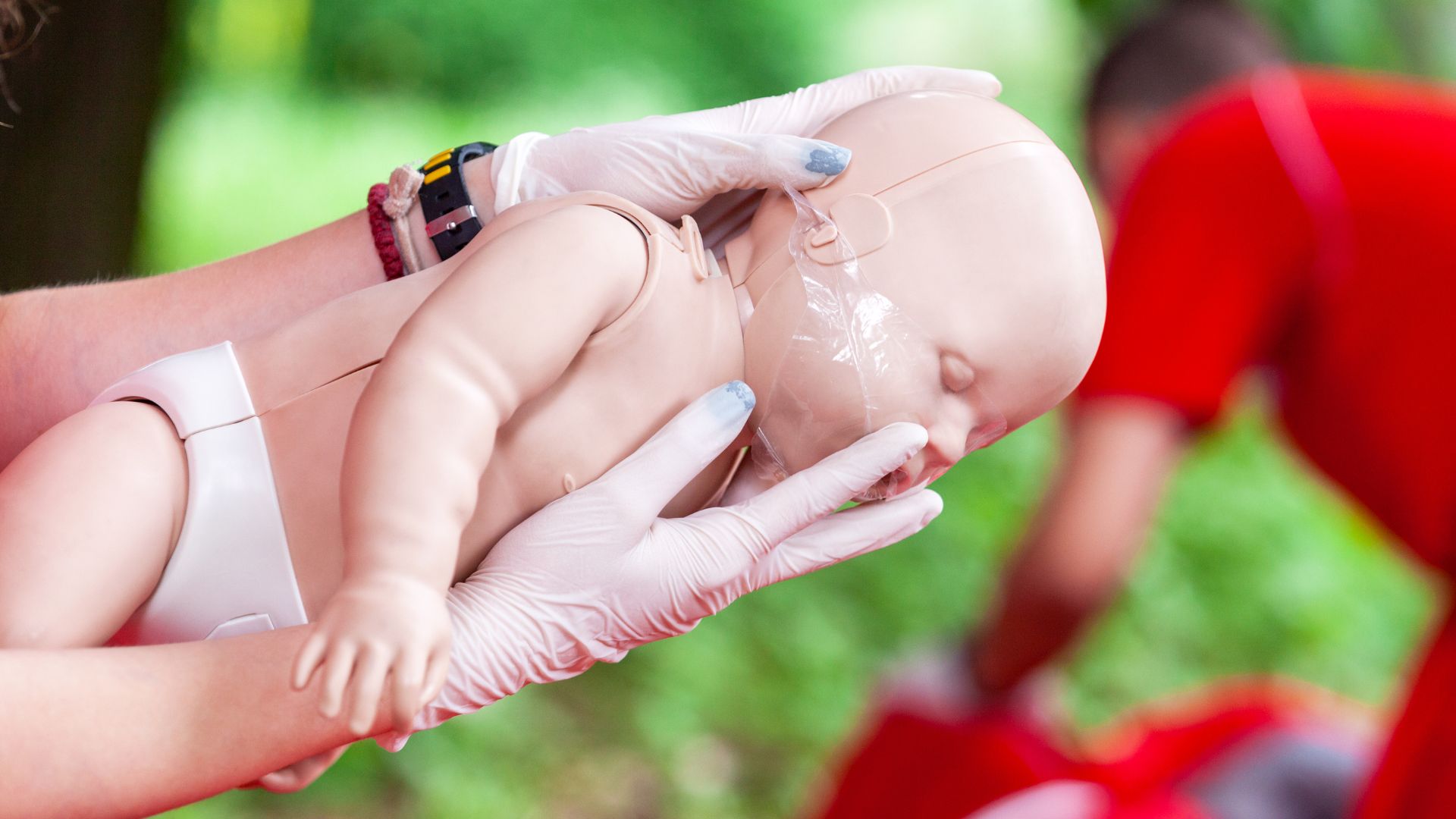
Participants practice these skills on training mannequins designed to simulate infants and children. This hands on training helps build confidence and ensures caregivers understand how much pressure to apply during compressions.
Learning these techniques allows babysitters and nannies to act quickly and effectively when emergencies occur.
Emergency Preparedness in the Home
Babysitters and nannies who are CPR trained often develop stronger awareness of overall household safety. During training, caregivers learn how to identify potential hazards and prevent accidents before they occur.
For example, caregivers may become more attentive to choking risks, medication storage, and safe sleep practices for infants. They may also become familiar with emergency contact procedures and the location of first aid supplies in the home.
These preventative measures reduce the likelihood of emergencies and create safer environments for children.
Families in Lakeland, FL benefit when caregivers combine preventative safety practices with emergency response training.
CPR Training Benefits the Entire Community
When more individuals are trained in CPR, communities become safer overall. Babysitters, nannies, teachers, coaches, and parents all contribute to a network of individuals who can respond during emergencies.
Children spend time in many environments including homes, schools, playgrounds, and childcare facilities. Having trained caregivers present in these spaces increases the chances that someone nearby can provide lifesaving care if needed.
Babysitters who pursue CPR Certification are not only protecting the children they care for but also contributing to a culture of preparedness within their communities.
Final Thoughts on CPR Certification for Babysitters and Nannies
Babysitters and nannies hold an important responsibility in protecting the children entrusted to their care. While daily tasks such as meals, playtime, and supervision are essential, emergency preparedness is equally important. Completing CPR Certification equips caregivers with the knowledge and skills needed to respond quickly during medical emergencies and provide lifesaving care until professional responders arrive.
For families in Lakeland, FL, choosing a babysitter or nanny who is CPR certified provides peace of mind and reassurance that their children are in capable hands. Caregivers who invest in CPR training demonstrate professionalism, responsibility, and a commitment to child safety.
By maintaining CPR certification and staying prepared for emergencies, babysitters and nannies strengthen the trust families place in them while helping create safer environments for children.
Frequently Asked Questions
Do babysitters need CPR certification?
Many families prefer or require babysitters to have CPR certification because it prepares them to respond during medical emergencies involving children.
How long does CPR certification last?
Most CPR certifications remain valid for two years. Caregivers should renew their certification before it expires.
Does CPR training teach infant and child CPR?
Yes. CPR courses for childcare providers usually include training in infant CPR, child CPR, and choking response techniques.
Why do parents prefer CPR trained babysitters?
Parents feel more confident hiring caregivers who are trained to respond to emergencies because it helps ensure their children receive immediate assistance if something unexpected happens.