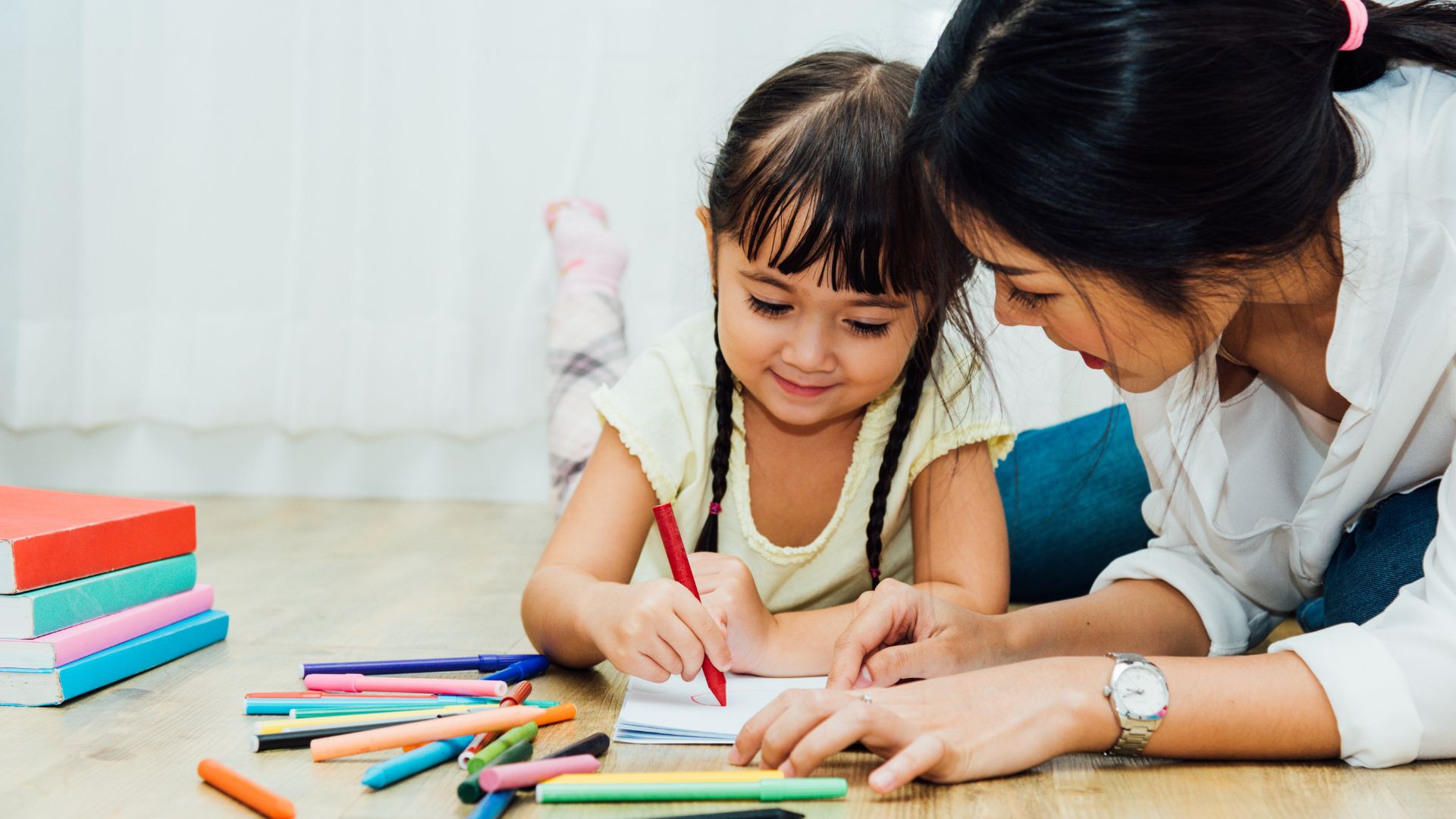
Babysitters play an important role in caring for children when parents are away. Families trust caregivers to supervise, protect, and respond to any situation that may arise while children are under their care. While most babysitting responsibilities involve routine activities like meals, playtime, and bedtime, emergencies can happen unexpectedly. One of the most valuable skills a babysitter can have is CPR Certification, which prepares caregivers to respond quickly when a child experiences a medical emergency.
Children are naturally curious and active, which sometimes leads to accidents or unexpected health issues. Choking incidents, breathing difficulties, allergic reactions, and sudden illness can occur even during normal daily activities. When a babysitter understands CPR, they have the ability to take immediate action while emergency medical services are on the way.
For families in Salt Lake City, knowing that a babysitter is trained in lifesaving skills provides reassurance that their children are in capable and prepared hands.
Why CPR Training Is Essential for Babysitters
Babysitters often care for children independently, sometimes without another adult present. Because of this responsibility, caregivers must be prepared to handle emergencies on their own until parents or medical professionals arrive.
CPR training teaches babysitters how to recognize serious health emergencies and take appropriate action. When a child stops breathing or becomes unresponsive, every second counts.
Through CPR Certification, babysitters learn how to:
- Recognize signs of cardiac or breathing emergencies
- Perform chest compressions on infants and children
- Deliver rescue breaths when needed
- Respond to choking incidents
- Call emergency services and provide critical care until help arrives
These skills help babysitters respond calmly and effectively during stressful situations.
Common Emergencies Babysitters May Encounter
Children experience medical emergencies differently than adults. Because their bodies are still developing, they may be more vulnerable to certain risks.
Some of the most common emergencies babysitters may encounter include:
- Choking on food or small objects
- Breathing problems related to asthma or illness
- Allergic reactions to foods or insect stings
- Falls or injuries during play
- Sudden loss of consciousness
Babysitters who are trained in CPR understand how to respond to these situations and provide assistance until emergency responders arrive.
In many cases, immediate CPR can help stabilize a child and improve the chances of recovery.
CPR for Infants and Young Children
CPR techniques vary depending on the age of the person receiving care. Infants and young children require different compression depths and rescue breathing techniques than adults.
Babysitters who complete CPR Certification learn how to adjust their approach based on the child’s age and size. For example, infant CPR typically involves gentle compressions using two fingers, while CPR for older children may involve compressions using one or two hands.
Training programs teach caregivers how to:
- Assess whether an infant or child is breathing
- Perform safe chest compressions
- Provide rescue breaths when appropriate
- Respond to choking incidents in babies and toddlers
Understanding these age specific techniques ensures that babysitters can respond safely and effectively when caring for young children.
Providing Peace of Mind for Parents
Parents want to feel confident that their children are safe when they leave them with a babysitter. One of the easiest ways caregivers can demonstrate responsibility and preparedness is by completing CPR training.
Families in Salt Lake City often look for babysitters who have safety training because it shows dedication to protecting the children in their care. CPR certification signals that a caregiver understands how to handle emergencies and is prepared to act quickly.
Knowing that a babysitter has completed CPR Certification provides peace of mind for parents who trust others to supervise their children.
Building Confidence for Babysitters
Emergencies can be overwhelming, especially for caregivers who may be young or new to babysitting. CPR training helps build confidence by teaching clear steps for responding during critical situations.
Hands on training allows babysitters to practice compressions, rescue breathing, and choking response techniques using training mannequins. These exercises help caregivers become comfortable performing lifesaving procedures.
When babysitters understand exactly what to do, they are less likely to panic if an emergency occurs. Instead, they can focus on helping the child and contacting emergency services.
Confidence gained through CPR training allows babysitters to handle unexpected situations more effectively.
CPR Training for Teenage Babysitters
Many babysitters begin caring for children as teenagers. While young caregivers may be responsible and capable, they often benefit greatly from formal safety training.
CPR courses designed for babysitters provide age appropriate instruction that is easy to understand and practice. These programs help teens learn important safety skills while preparing them for the responsibility of caring for younger children.
Teenagers in Salt Lake City who babysit can greatly benefit from learning CPR and first aid techniques. Having these skills helps them feel more prepared when supervising infants, toddlers, and young children.
Learning CPR early can also encourage teens to continue developing safety skills throughout their lives.
CPR and AED Awareness
Automated external defibrillators are devices that help restore a normal heart rhythm during sudden cardiac arrest. While cardiac arrest is rare in children, it can still occur due to medical conditions or injuries.
Many CPR courses teach babysitters how to recognize cardiac emergencies and use AED devices if they are available. AED units are designed to be easy to operate and provide voice instructions that guide the user through the process.
Babysitters who understand how CPR and AED devices work together are better prepared to respond to serious medical emergencies.
Completing CPR Certification ensures that caregivers understand how to provide lifesaving care until emergency responders arrive.
Strengthening Safety in the Salt Lake City Community
When more caregivers are trained in CPR, communities become safer for children and families. Babysitters, teachers, coaches, and parents all play important roles in protecting young people during emergencies.
In Salt Lake City, where families rely on trusted caregivers every day, CPR training helps ensure that babysitters are prepared for unexpected situations.
Encouraging babysitters to learn lifesaving skills helps strengthen community safety and protects children in homes, parks, and public spaces throughout the city.
Final Thoughts on Babysitters Being CPR Certified in Salt Lake City
Babysitters provide valuable support for families by caring for children and creating safe environments while parents are away. Emergencies can happen at any time, and caregivers who are prepared with lifesaving knowledge can make an important difference. Completing CPR Certification equips babysitters with the skills needed to respond quickly when children experience breathing emergencies, choking incidents, or other serious health situations.
For families in Salt Lake City, hiring a babysitter who is trained in CPR adds an important layer of safety and reassurance. Caregivers who maintain CPR training demonstrate responsibility, preparedness, and commitment to protecting the children they supervise.
By encouraging babysitters to pursue CPR training, communities help ensure that children receive the care and protection they deserve.
Frequently Asked Questions
Do babysitters need CPR certification?
While not always required, many parents prefer babysitters who have CPR certification because it shows they are prepared to handle emergencies involving children.
Can teenagers become CPR certified for babysitting?
Yes. Many CPR training programs welcome teenagers and provide instruction designed for young caregivers.
What emergencies can CPR training help babysitters respond to?
CPR training prepares babysitters to respond to choking incidents, breathing emergencies, cardiac arrest, and other life threatening situations.
How long does CPR certification last?
Most CPR certifications remain valid for two years before renewal is required.