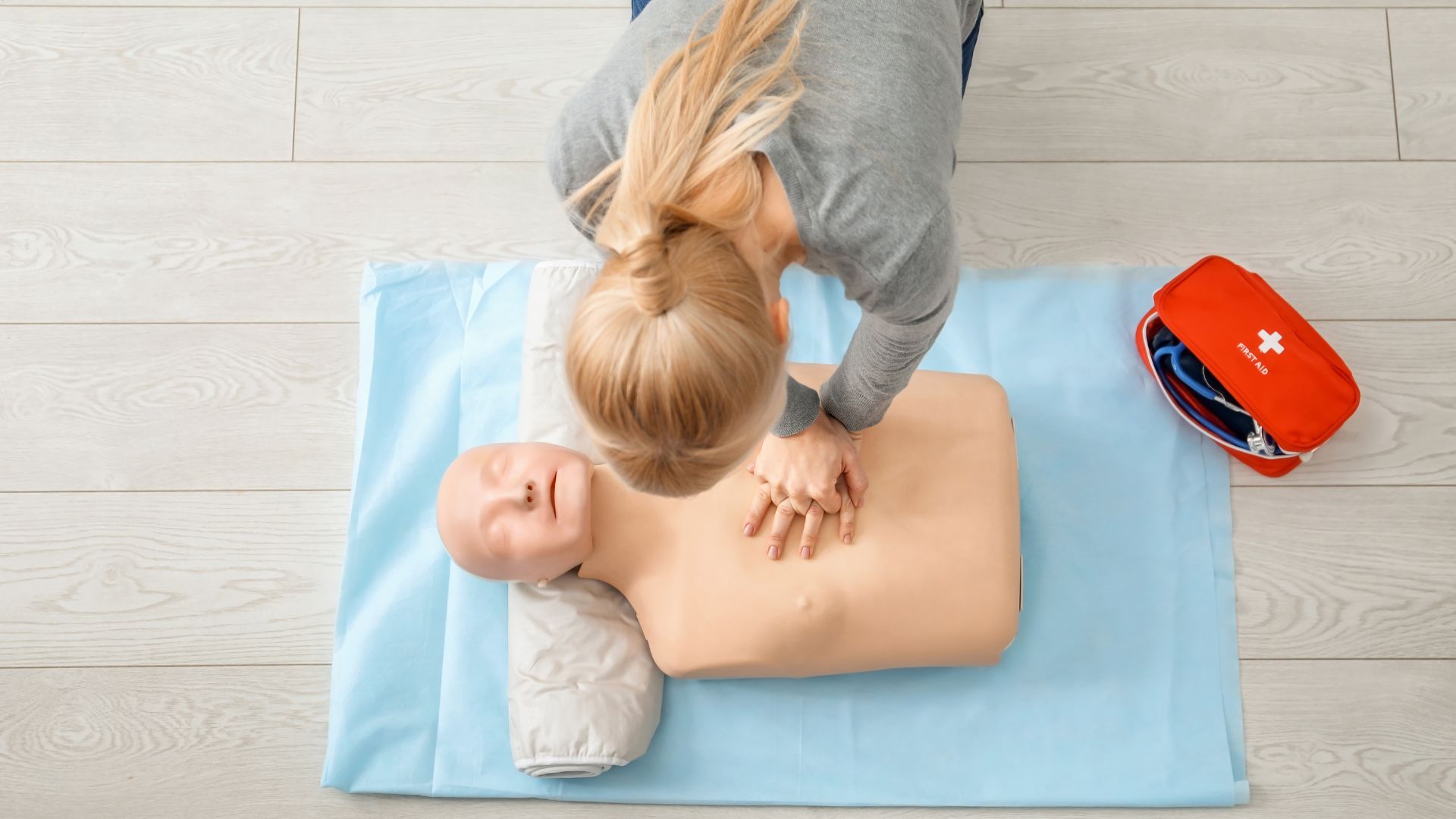
In the critical moments following a cardiac arrest, immediate intervention can be the difference between life and death. Compression Only CPR has emerged as a vital technique that empowers bystanders to take swift action without the hesitation often associated with traditional CPR methods. As we delve into the numerous benefits of this simplified approach, we will explore how it enhances survival rates, simplifies emergency response, and increases the likelihood of bystander involvement. For those keen on understanding the science and effectiveness behind this life-saving technique, this blog post will serve as an essential guide. Stay with us as we uncover the compelling reasons to prioritize Compression Only CPR in emergency situations.
Understanding Compression Only CPR Basics
As we continue our exploration into Compression Only CPR, it’s crucial to establish a foundational understanding of this technique. Here, we break down the essentials of Compression Only CPR into five key points:
1. Simplified Technique: Unlike traditional CPR, which involves chest compressions and rescue breaths, Compression Only CPR focuses solely on chest compressions. This streamlines the process, making it more accessible for bystanders who may feel hesitant or unsure about performing mouth-to-mouth resuscitation.
2. Increased Accessibility: With no need for specialized training in rescue breathing, Compression Only CPR can be easily learned and remembered by anyone. This increased accessibility encourages more people to step in and help during emergencies, ultimately boosting survival rates in cardiac arrest scenarios.
3. Continuous Blood Circulation: The primary goal of Compression Only CPR is to maintain blood flow to the brain and vital organs. Continuous chest compressions help sustain circulation, which is critical in the moments before professional medical help arrives. For those interested in learning more about the technique, CPR Certification Salt Lake City offers comprehensive training sessions.
4. Proven Effectiveness: Studies have shown that Compression Only CPR can be as effective as conventional CPR when performed immediately. This method has been particularly successful in cases of sudden cardiac arrest, where quick intervention is paramount.
5. Empowerment Through Action: By simplifying the process, Compression Only CPR empowers more individuals to act confidently during emergencies. With every bystander equipped with this knowledge, communities can foster a culture of preparedness and potentially save more lives.
Key Advantages of Hands-Only CPR
Building on the foundational understanding of Compression Only CPR, we now explore the key advantages that make this technique an indispensable tool in emergency response.
1. Enhanced Bystander Confidence: By eliminating the need for rescue breaths, Hands-Only CPR reduces hesitation among bystanders. This simplification encourages immediate action, which is crucial when every second counts in saving a life.
2. Streamlined Learning Process: The straightforward nature of Hands-Only CPR makes it easier for individuals to learn and recall. With fewer steps to remember, more people can effectively perform CPR, which can be particularly beneficial in situations where professional medical help is delayed.
3. Focused Efficacy: Hands-Only CPR emphasizes maintaining consistent chest compressions, which is vital for sustaining blood flow to the brain and heart. This focus enhances the chances of survival by ensuring that oxygenated blood continues to circulate through the body.
4. Community Preparedness: As more people become proficient in Hands-Only CPR, communities are better equipped to respond to cardiac emergencies. This widespread knowledge fosters a culture of readiness, significantly increasing the likelihood of survival in public settings.
5. Adaptability in Various Environments: Whether at home, in the workplace, or in public spaces, Hands-Only CPR can be executed effectively without the need for additional tools or equipment. This adaptability ensures that life-saving action can be taken anywhere and at any time.
How Compression Only CPR Saves Lives
Understanding the impact of Compression Only CPR requires a deeper look into how this approach can significantly enhance survival chances during cardiac emergencies. Here, we outline five critical ways in which Compression Only CPR saves lives:
1. Immediate Action: In the crucial moments following a cardiac arrest, time is of the essence. Compression Only CPR’s simplicity enables bystanders to act immediately, reducing delays that could prove fatal. By removing the barrier of rescue breaths, individuals are more likely to initiate CPR, thus improving outcomes.
2. Sustained Oxygenation: While the absence of rescue breaths may seem counterintuitive, continuous chest compressions help maintain blood flow to vital organs, ensuring they receive the necessary oxygen. This process buys valuable time until advanced medical care can be administered, increasing the chances of survival.
3. Universal Accessibility: With its straightforward technique, Compression Only CPR can be learned quickly and performed by virtually anyone, regardless of age or training background. This accessibility means more people can intervene effectively during emergencies, resulting in a wider safety net within communities.
4. Psychological Empowerment: The simplification of CPR procedures empowers bystanders, instilling confidence that they can make a difference. This psychological boost is crucial, as it encourages more people to step forward, transforming passive observers into active lifesavers.
5. Community Resilience: As communities become more adept at performing Compression Only CPR, their ability to respond to cardiac emergencies is enhanced. This collective knowledge fosters a culture of preparedness, where individuals are ready to act, potentially saving countless lives. For those interested in boosting their skills, resources like American Heart Association CPR Training are available to further community resilience.
Improving Survival Rates with CPR Techniques
Improving survival rates in cardiac emergencies hinges significantly on the effective application of CPR techniques. As we’ve explored the efficacy of Compression Only CPR, it becomes clear that understanding and implementing these methods can dramatically increase the likelihood of positive outcomes.
1. Rapid Response: The immediacy facilitated by Compression Only CPR is a game-changer. By empowering individuals to act without delay, this technique minimizes the critical time window before professional medical personnel can intervene. In the world of emergency response, every second counts, and the ability to act swiftly can make all the difference.
2. Continuous Circulation: The focus on maintaining uninterrupted blood flow is pivotal in sustaining life during cardiac arrest. By ensuring consistent chest compressions, Compression Only CPR supports the body’s natural processes, keeping vital organs functioning until further medical help arrives. This approach has shown to markedly improve survival rates, especially in out-of-hospital settings.
3. Broad Accessibility: One of the most significant advantages of Compression Only CPR is its accessibility. With minimal training required, more people can be equipped to perform CPR effectively. This widespread ability not only saves lives but also strengthens community networks, where each member is prepared to contribute in emergencies.
4. Empowering Communities: By fostering a culture of readiness, communities that embrace Compression Only CPR are better positioned to handle cardiac emergencies. This collective knowledge and preparedness enhance community resilience, ensuring that life-saving skills are not confined to professionals but are shared among all members.
5. Educational Outreach: Organizations like CPR Certification Salt Lake City play a crucial role in disseminating these techniques. Through accessible training programs, they help demystify CPR, making it an achievable skill for everyone. This educational outreach not only improves survival rates but also instills confidence in individuals to take decisive action when needed.
Final Thoughts On Compression Only CPR
As we’ve explored throughout this post, Compression Only CPR stands out as a crucial technique in emergency medical response, primarily due to its simplicity and effectiveness. By focusing solely on chest compressions, it empowers more bystanders to act swiftly, thus enhancing survival rates during cardiac emergencies. Its accessibility ensures that individuals from all walks of life can quickly learn and confidently apply this life-saving skill, fostering a culture of preparedness and community resilience.
The impact of Compression Only CPR is amplified when communities embrace this method, transforming potential bystanders into active lifesavers. As demonstrated, the technique’s emphasis on maintaining continuous blood circulation plays a pivotal role in sustaining vital organ function until professional medical help arrives. This approach has been proven effective, particularly in out-of-hospital scenarios, where immediate action is critical.
For those eager to equip themselves with this invaluable skill, CPR Certification Salt Lake City provides comprehensive training sessions. We encourage our readers to take the initiative and join our programs to ensure that you are prepared to make a difference when it matters most. Visit our website or contact us at (insert phone number) to book your training session today. Together, we can build a safer, more responsive community.
Frequently Asked Questions
What is compression only CPR and how does it differ from traditional CPR?
Compression Only CPR is a simplified resuscitation technique focused solely on chest compressions, unlike traditional CPR which incorporates both chest compressions and rescue breaths. This approach streamlines the process, eliminating the need for mouth-to-mouth resuscitation, which often deters bystanders due to hesitation or uncertainty. By concentrating on maintaining continuous blood circulation to vital organs, Compression Only CPR makes it easier for untrained individuals to perform life-saving actions during cardiac emergencies, thus enhancing the chances of survival.
Why is compression only CPR recommended in certain situations?
Compression Only CPR is recommended in situations where bystanders may be hesitant to perform rescue breaths, such as when they are untrained or uncomfortable with mouth-to-mouth contact. This method encourages immediate action, which is crucial in the critical moments following a cardiac arrest. By simplifying the process to just chest compressions, more individuals are likely to intervene, thereby increasing the likelihood of survival by maintaining blood flow to the brain and other vital organs until professional help arrives.
How effective is compression only CPR compared to conventional CPR methods?
Studies indicate that Compression Only CPR can be as effective as conventional CPR when performed immediately, especially in cases of sudden cardiac arrest. The technique prioritizes continuous chest compressions, which help sustain blood circulation and oxygenation to the brain and heart. This focused approach is particularly effective in out-of-hospital settings, where quick intervention is vital. By reducing complexity and encouraging more bystanders to act, Compression Only CPR significantly enhances survival rates in cardiac emergencies.
When should I perform compression only CPR instead of CPR with rescue breaths?
Compression Only CPR should be performed when a bystander is untrained in rescue breathing or is uncomfortable with performing mouth-to-mouth resuscitation. It is ideal in public settings, where immediate action is critical, and professional medical help may be delayed. This method ensures that continuous chest compressions are administered, maintaining vital blood flow until advanced care can be provided. By simplifying the technique, it empowers more individuals to confidently take life-saving action during cardiac emergencies.